
Solo
CASA DE PARTIDA
- Year
- 2025
- Dates
- 6 Jun 2025 — 28 Sept 2025
- Venue
- Centro Interpretativo do Tapete de Arraiolos (CITA)
- City
- Arraiolos, Portugal
- Curator
- Cláudia Melo
Curatorial text
Cláudia Melo
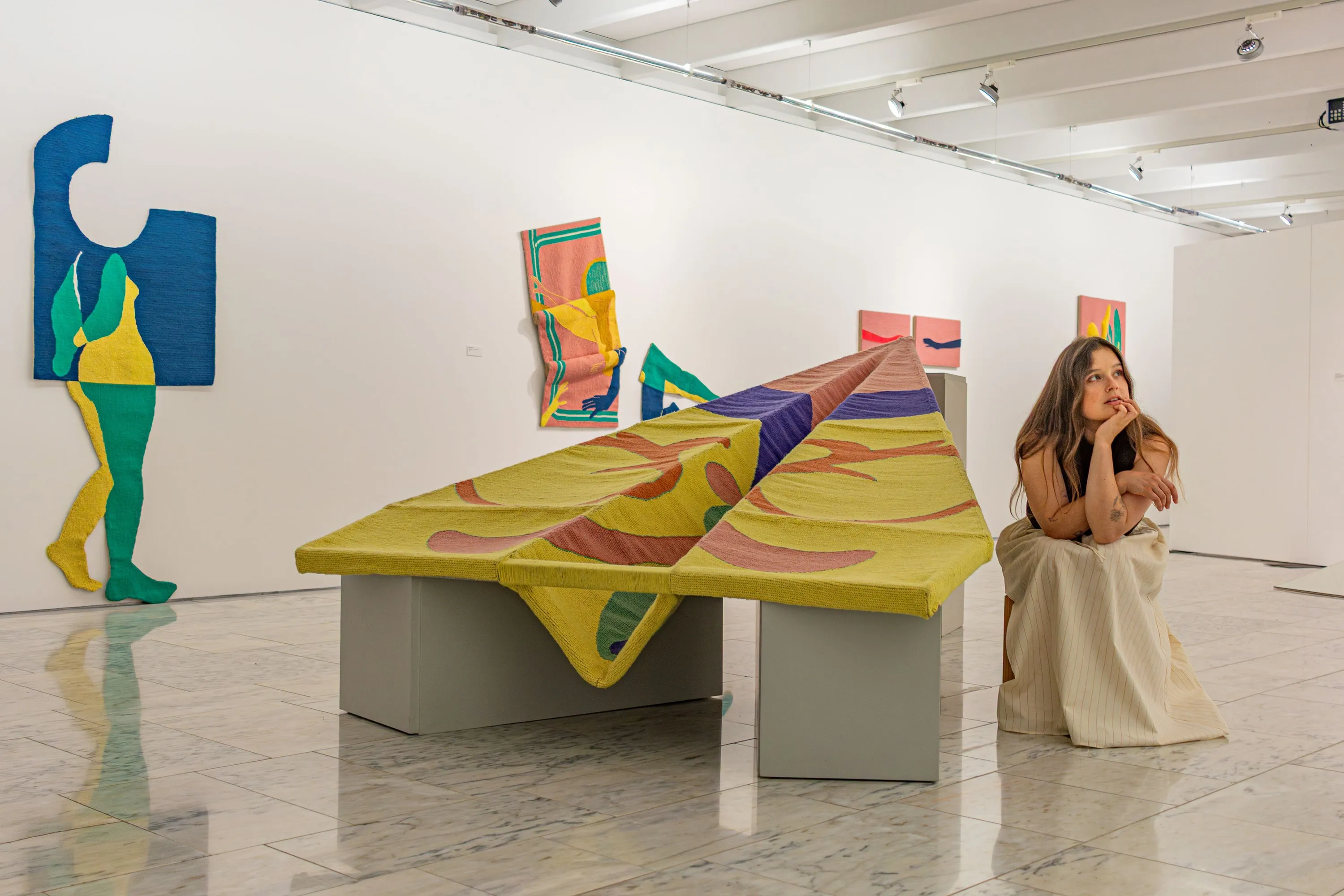
Casa de Partida represents the point of origin - whether symbolic or concrete - of a journey, be it creative, emotional, political, or existential. It is the space where first intentions germinate, where memory takes root, and from which the threads that weave the future depart. At the same time, it constitutes a space-time in motion, marking the beginning of a game.
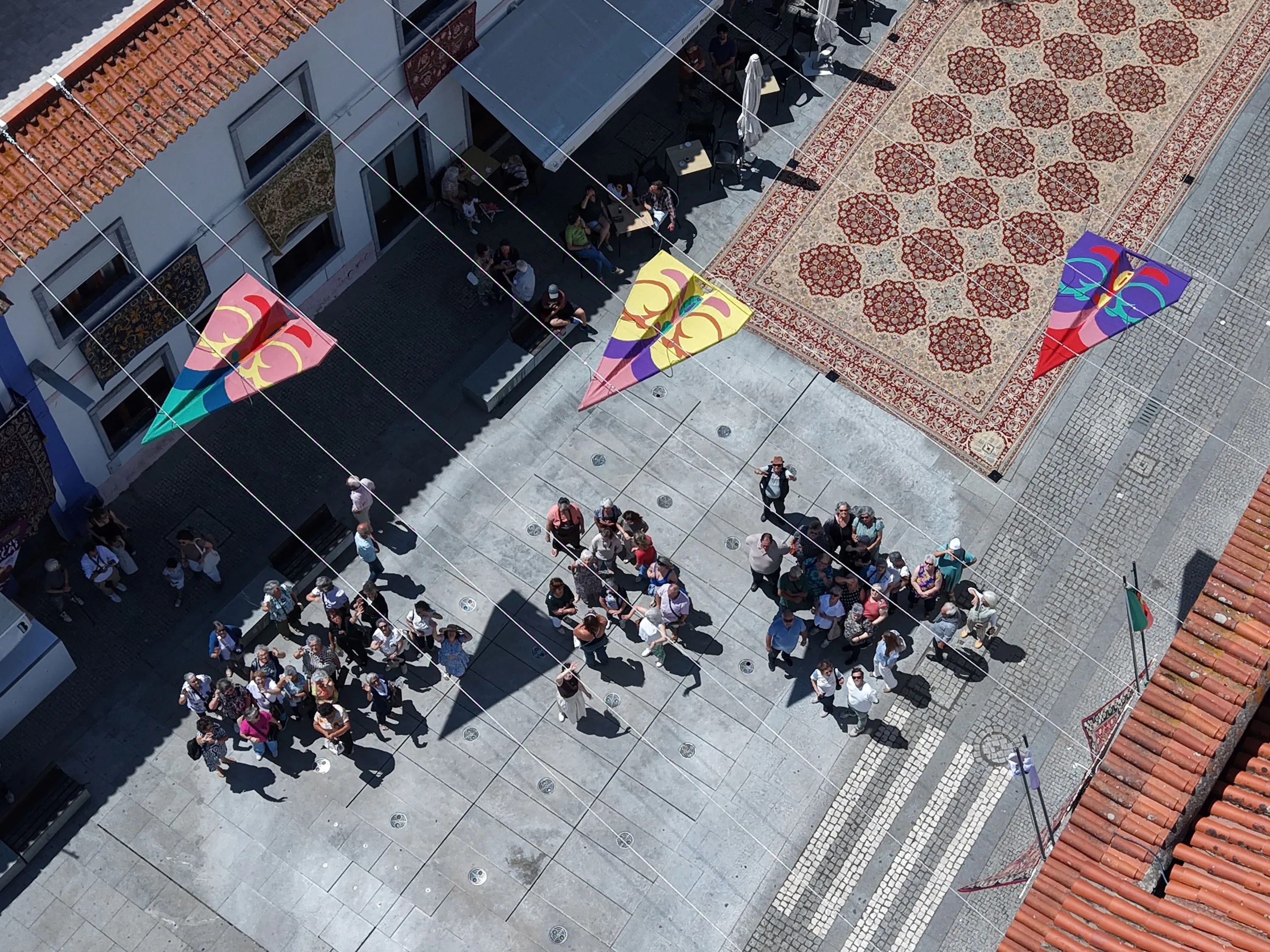
This exhibition-intervention was conceived specifically for the context of Arraiolos, engaging local communities, evoking ancestral knowledge, and re-signifying cultural heritage through artistic practice. The expression “Casa de Partida” suggests not only a beginning, but also the necessity of continuous, cyclical movement, to which one often returns - whether to conclude something or to embark on a new path. Yet, more than a simple circular motion, it is a hermeneutic back-and-forth, inspired by Gadamer’s concept of play, in which meaning is not fixed but emerges in the movement between what we know and what we are willing to discover.
Play, as a central metaphor, is fundamental to understanding the nature of human experience. It is assumed as a form of interaction and understanding that is open and fluid, not guided by an external goal, but determined by the movement and emerging rules within the very act of playing.
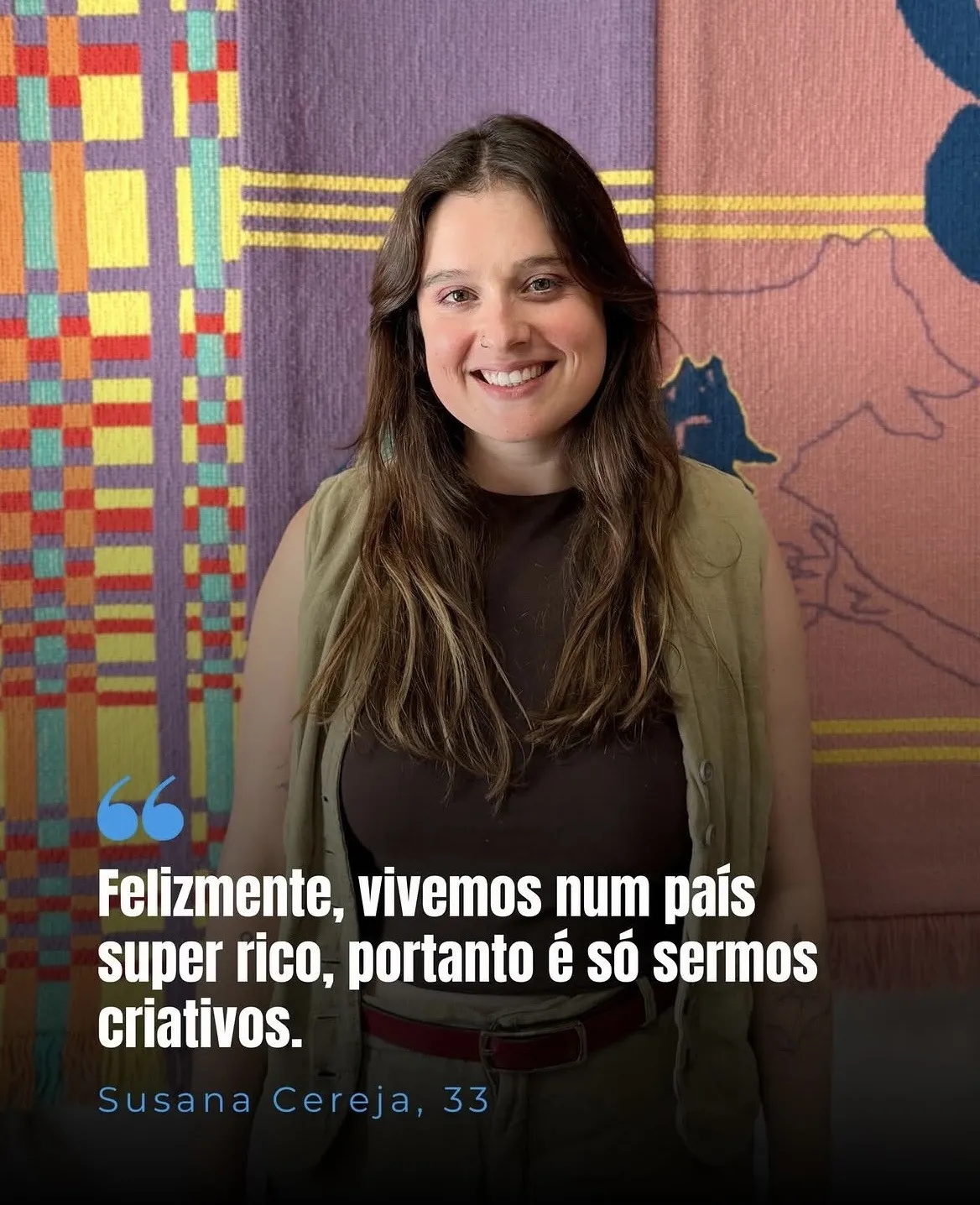
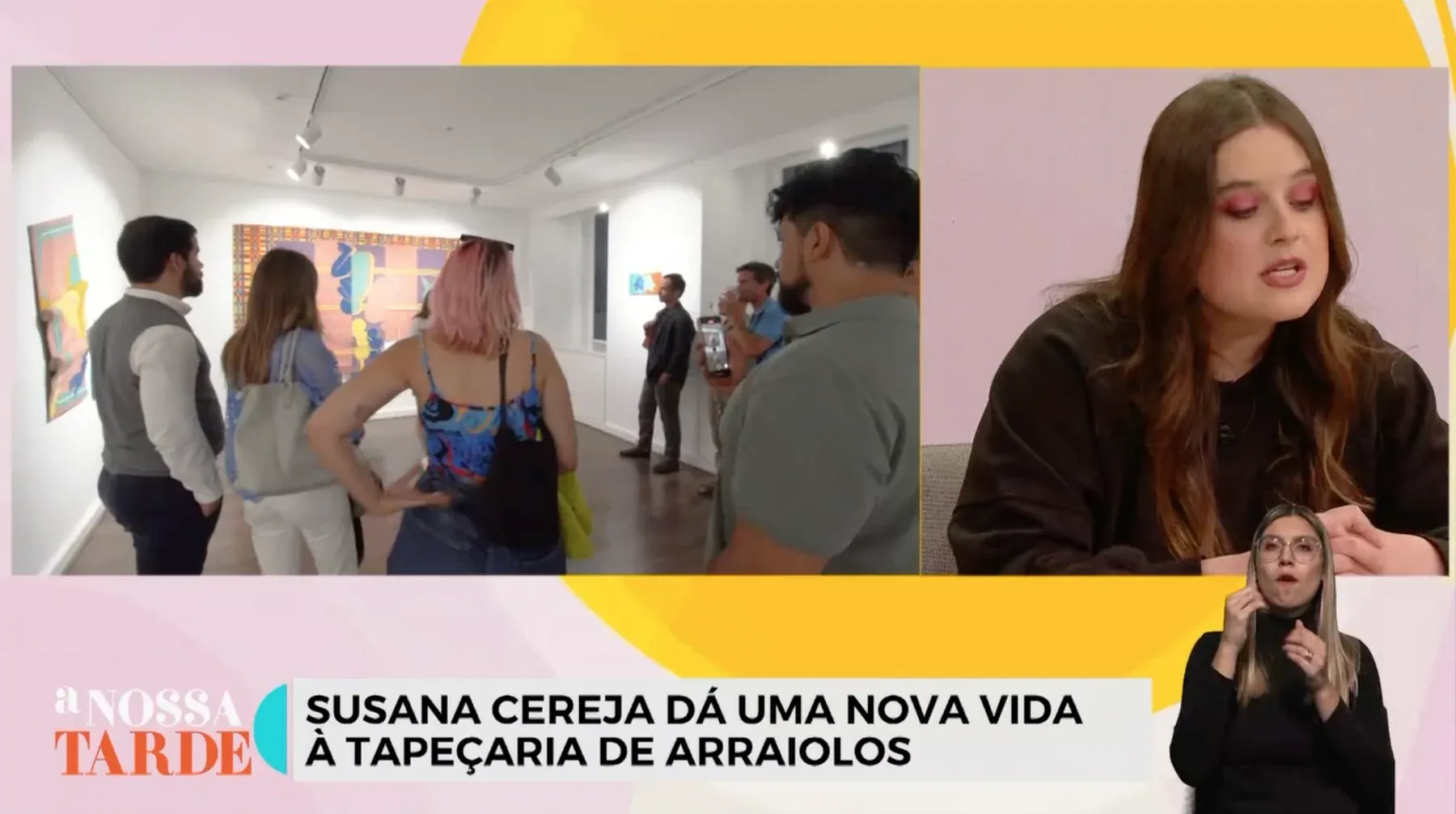
Within this Casa de Partida, 14 works and one public space installation are presented, resulting from a deliberately slow process that privileges the time of listening, relationship, and shared creation. This process, led by Susana Cereja, is assumed as an artistic practice built with communities, and can also be understood as a game - a space of constant beginning and reconstruction.
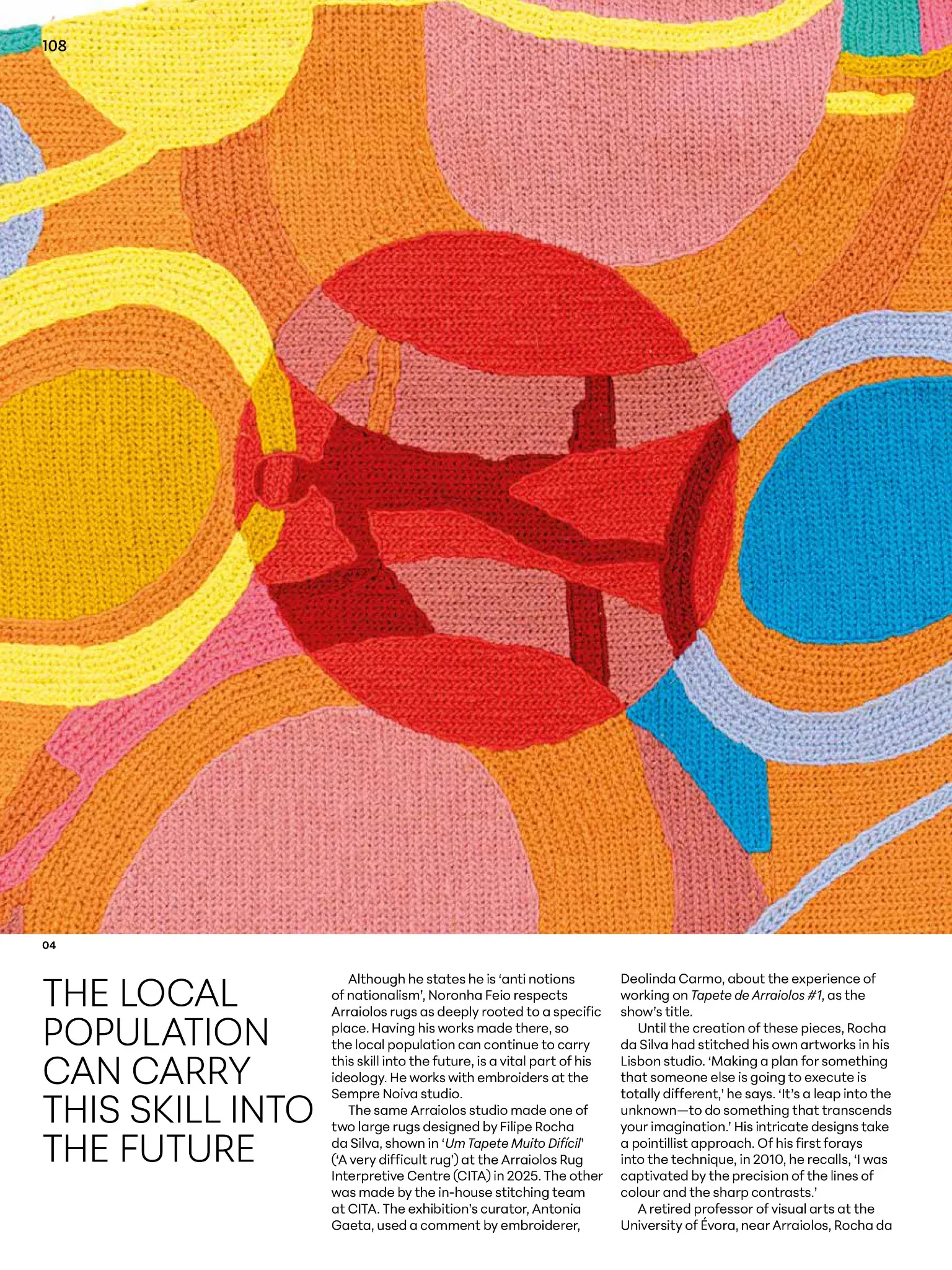
The exhibited works are created using the ancestral Arraiolos stitch technique, composing a poetic and symbolic narrative around femininity, territory, collectivity, and reinvention. In tapestries that challenge the technical and conceptual limits of traditional craft, the artist interweaves mythologies, gestures of care, community memories, and sustainable practices. They embody archetypal figures - such as Rhea, Gaia, Artemis, and Theia - or pieces that provoke encounter and interaction, suggesting a continuum between birth, transformation, and rebirth. Susana Cereja’s practice has been progressively consolidated in articulation with community textile making, understood as a symbolic territory of interwoven knowledge, cultural expression, resistance, and collective construction.
The project included three artistic residencies, involving more than fifty participants from Arraiolos, Torrão, and Coruche. Under the artist’s guidance, they jointly produced the works now installed in public spaces. Embroidering, sewing, or weaving are ancient gestures - often silent, confined to the domestic sphere, and associated with the feminine and the invisible - that, in the context of this artistic practice, are transformed into profound forms of aesthetic creation, identity affirmation, and social transformation.
Textile labor thus becomes a collective and political gesture: each embroidered stitch contains the promise of freedom, listening, and future. Casa de Partida, whether symbolic or geographic, becomes a fertile territory of creation and shared resistance.
This is an invitation to celebrate life as a weave: multiple, vibrant, and political. A call to listen to what the hands tell - when they gather, when they remember, when they rebel. Because weaving is also history, territory, and possibility.
Documentation
Related works
View all work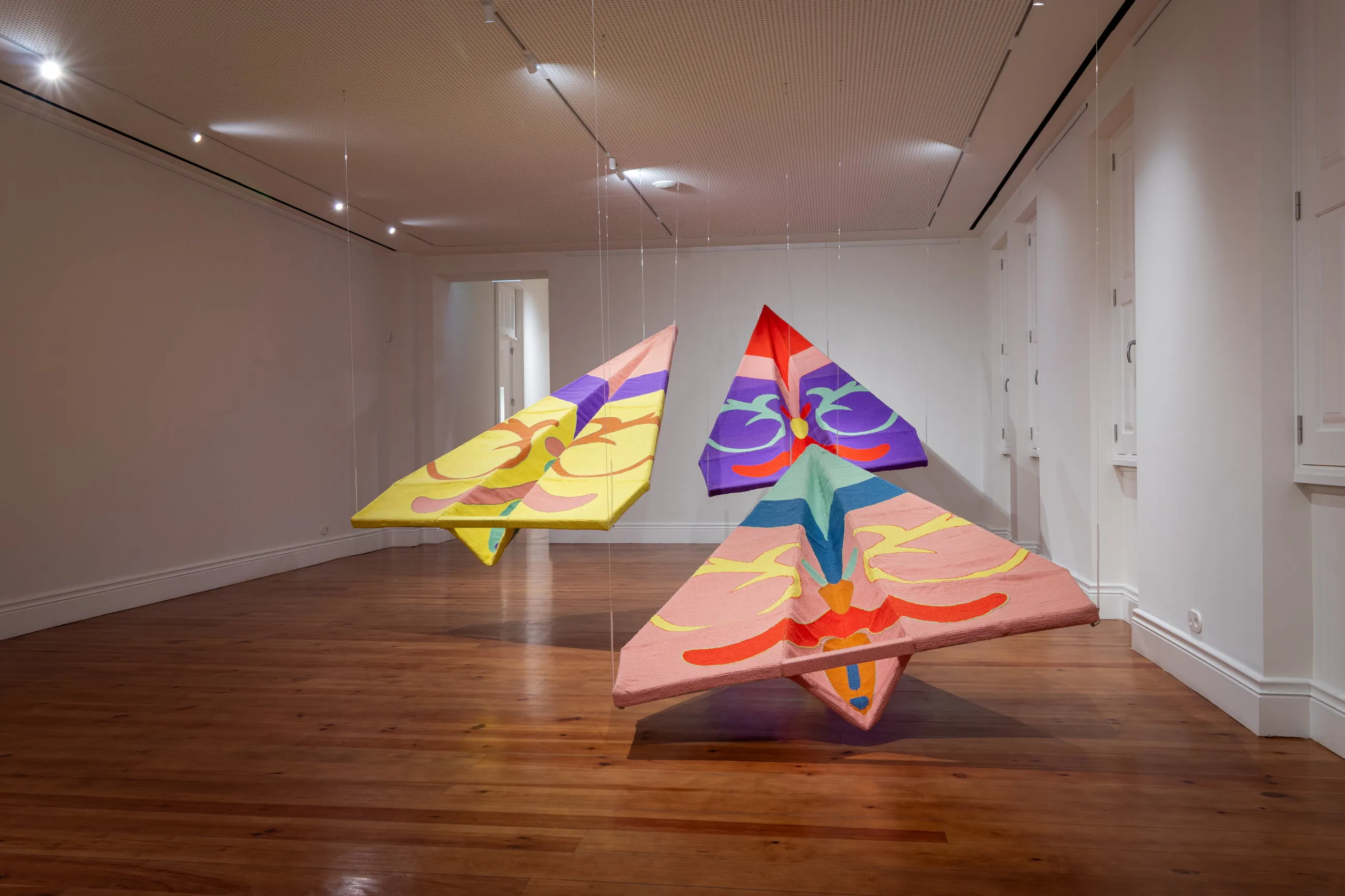 CASA DE PARTIDA 2025 · Tapestry in Arraiolos stitch
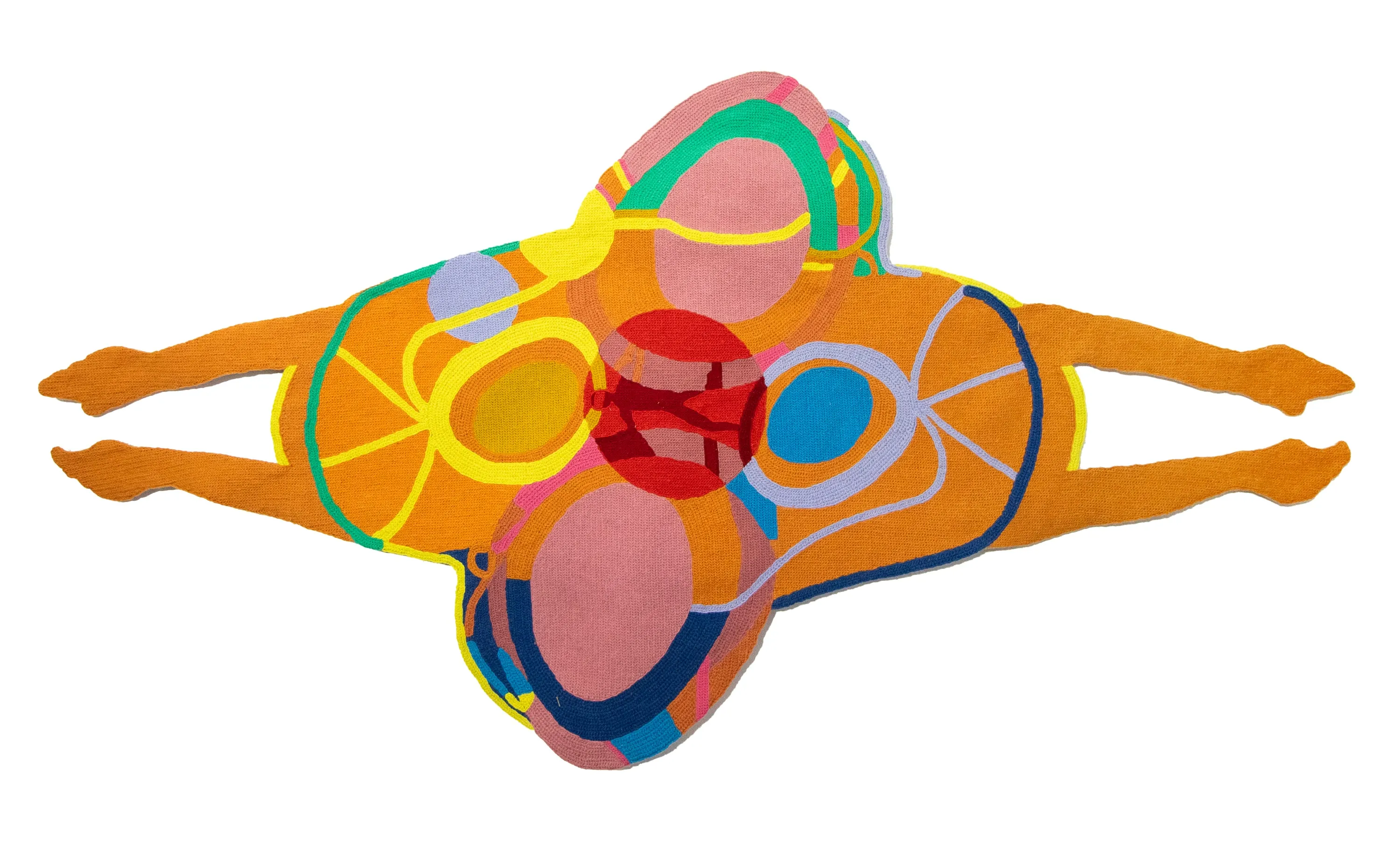 URÓBORO 2025 · Tapestry in Arraiolos stitch
 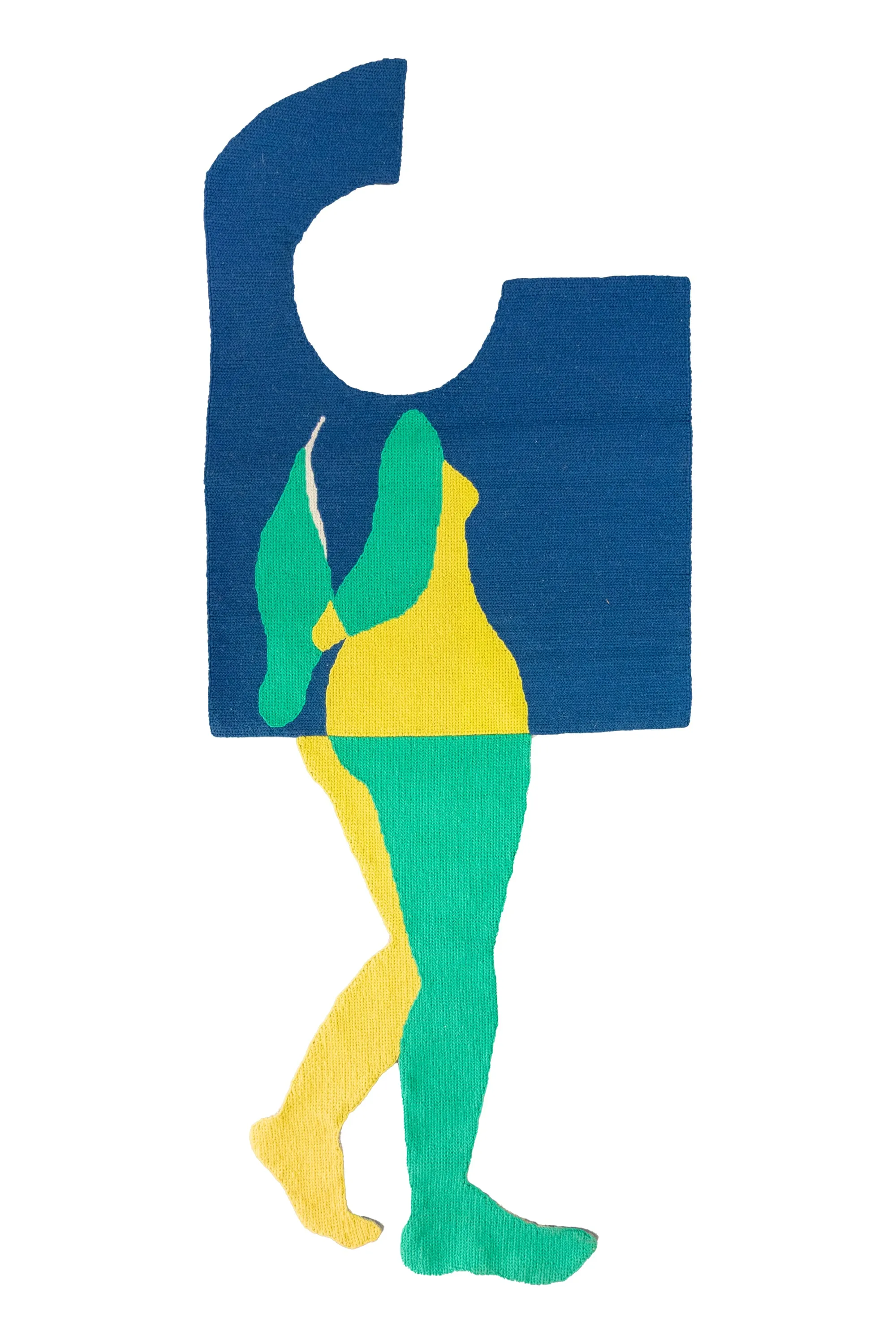 RHEA 2025 · Tapestry in Arraiolos stitch
 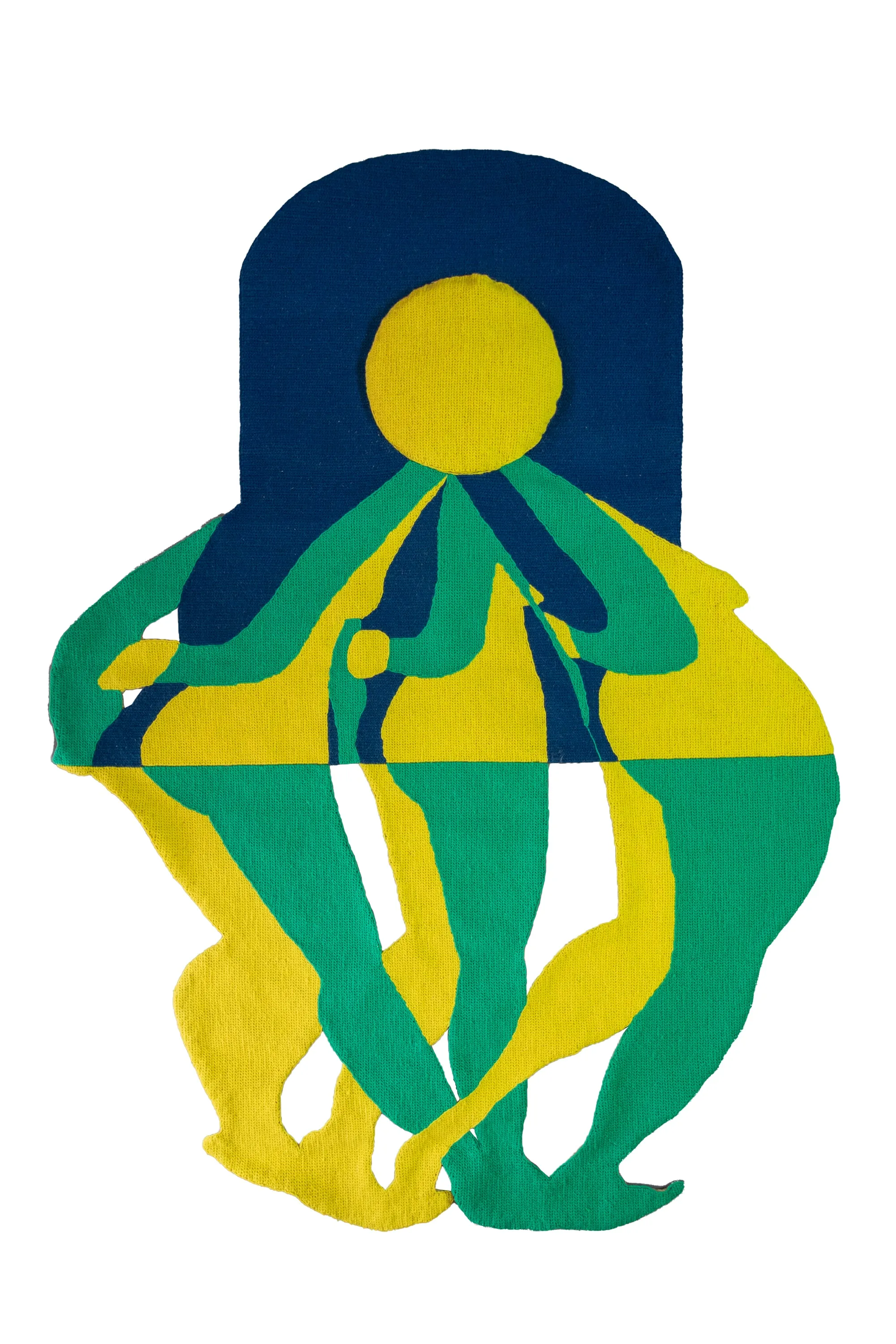 THEIA 2025 · Tapestry in Arraiolos stitch
 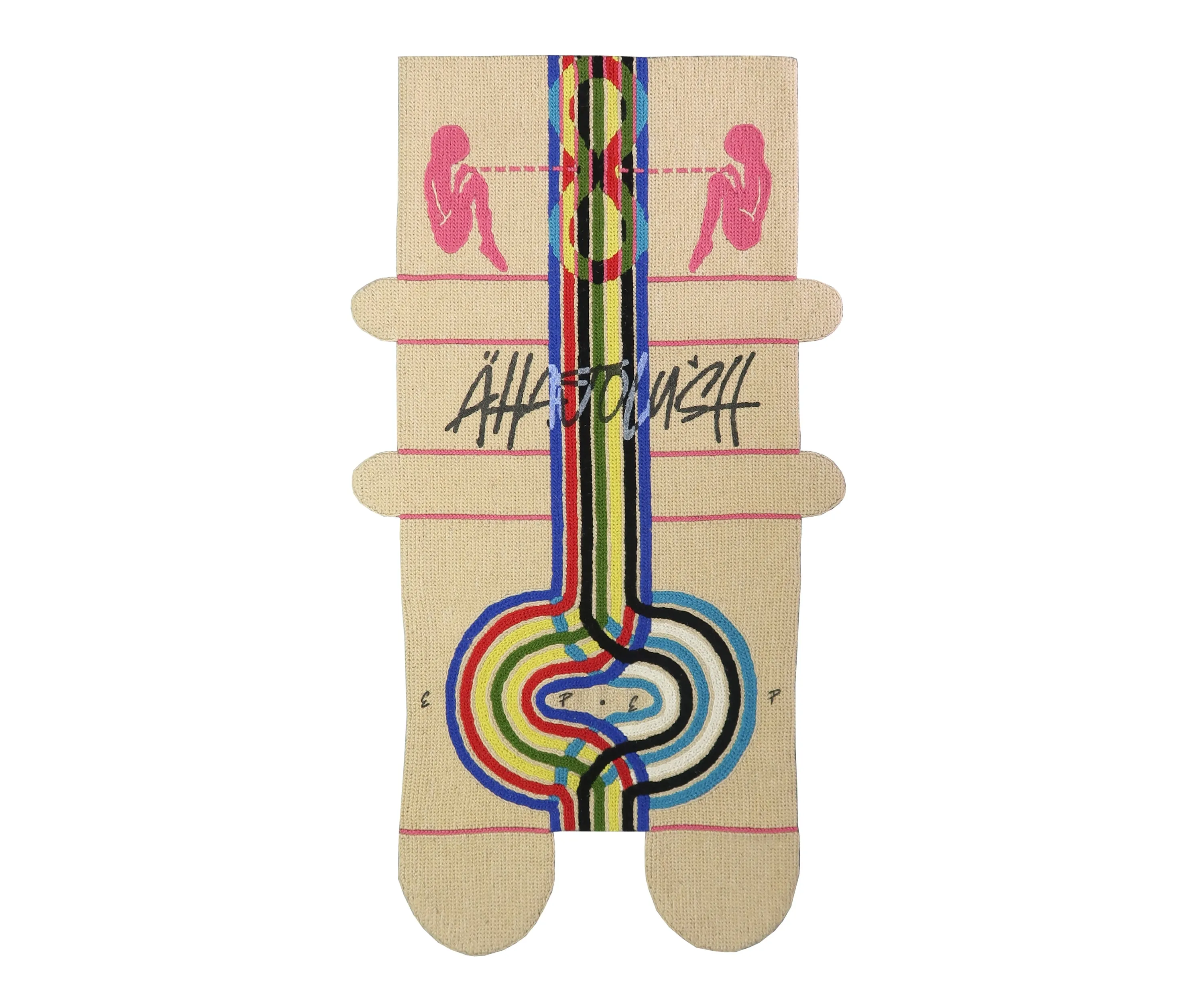 GAIA 2025 · Tapestry in Arraiolos stitch and painting on wool
 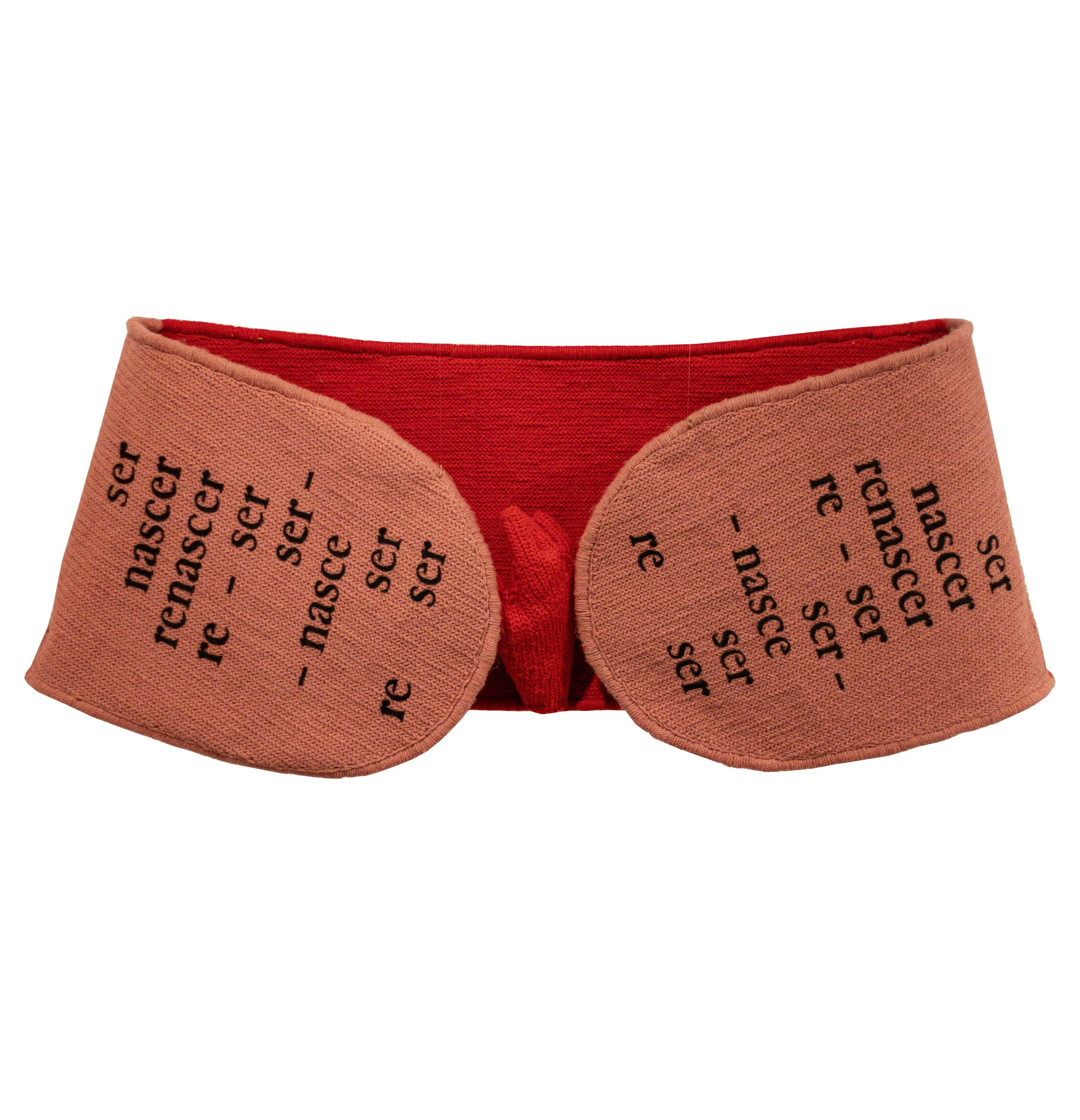 ANTES QUE AS LUZES SE APAGUEM 2025 · Tapestry in Arraiolos stitch and painting on wool
 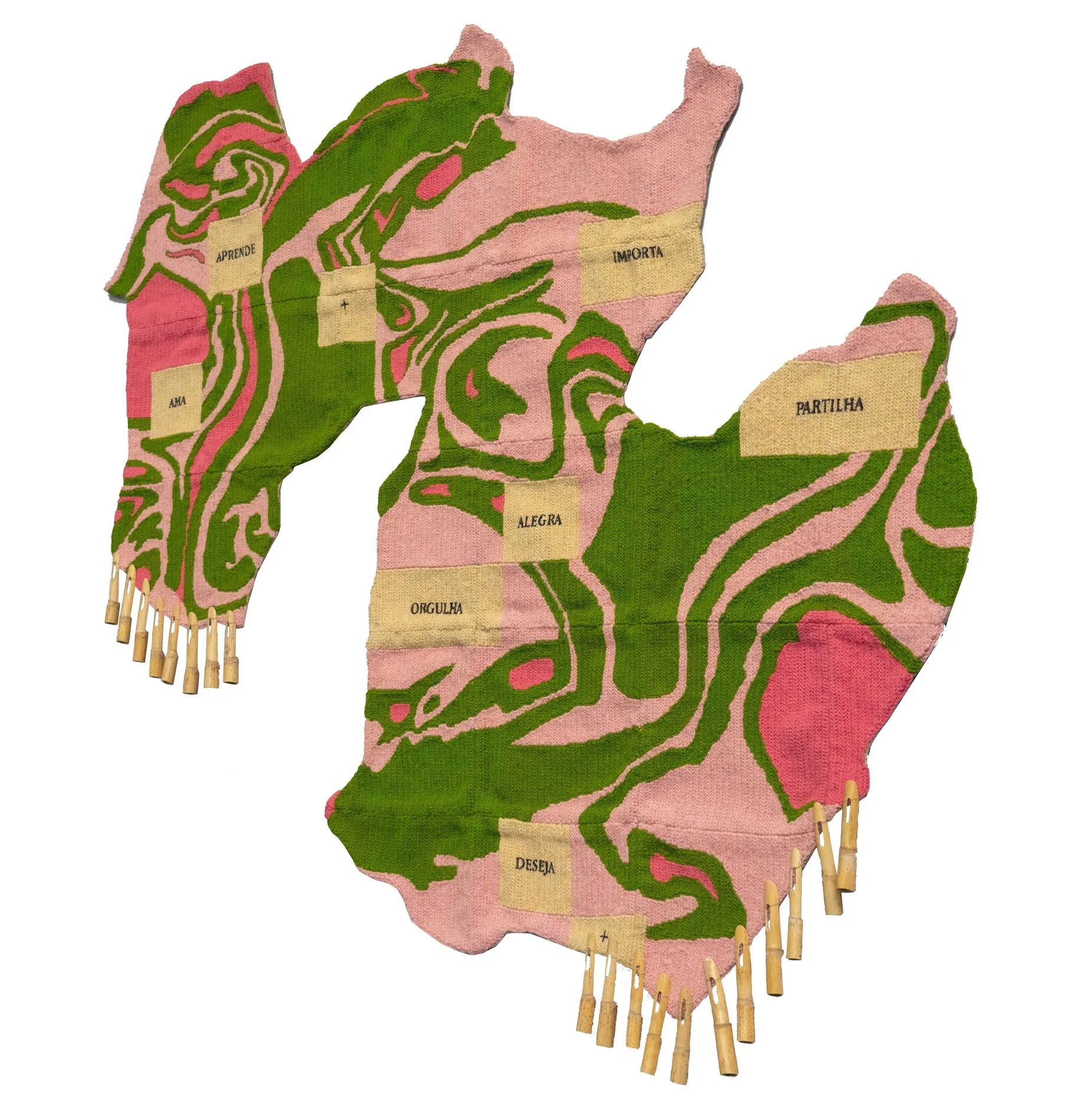 38°50'18.4"N 8°34'35.8"W 2024 · Arraiolos-stitch tapestry and painting with eco-friendly water-based enamel paint
 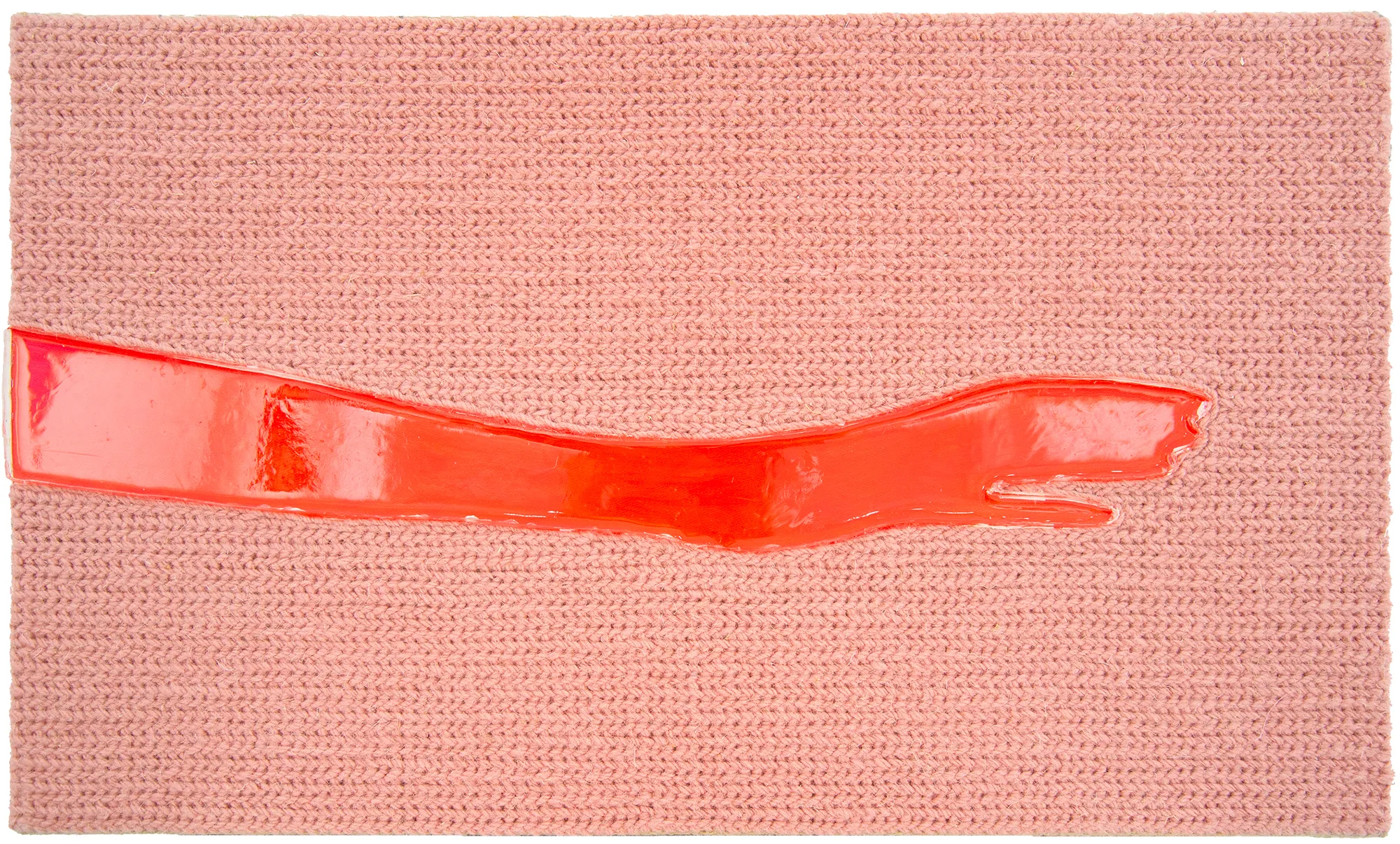 RÊVERIE I E II 2024 · Arraiolos-stitch tapestry and epoxy resin
 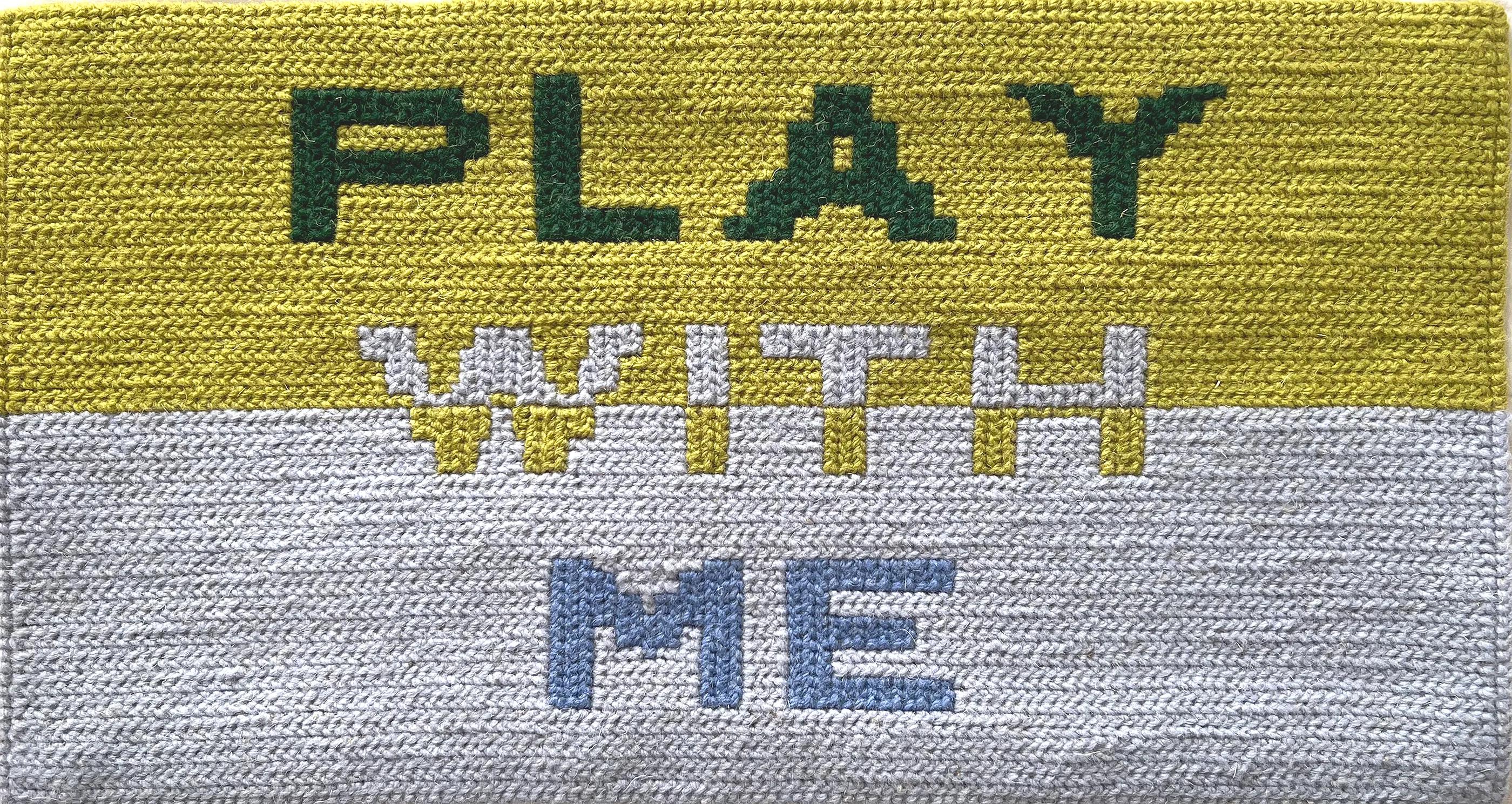 PLAY WITH ME #2 2024 · Tapestry in Arraiolos stitch and mirror
 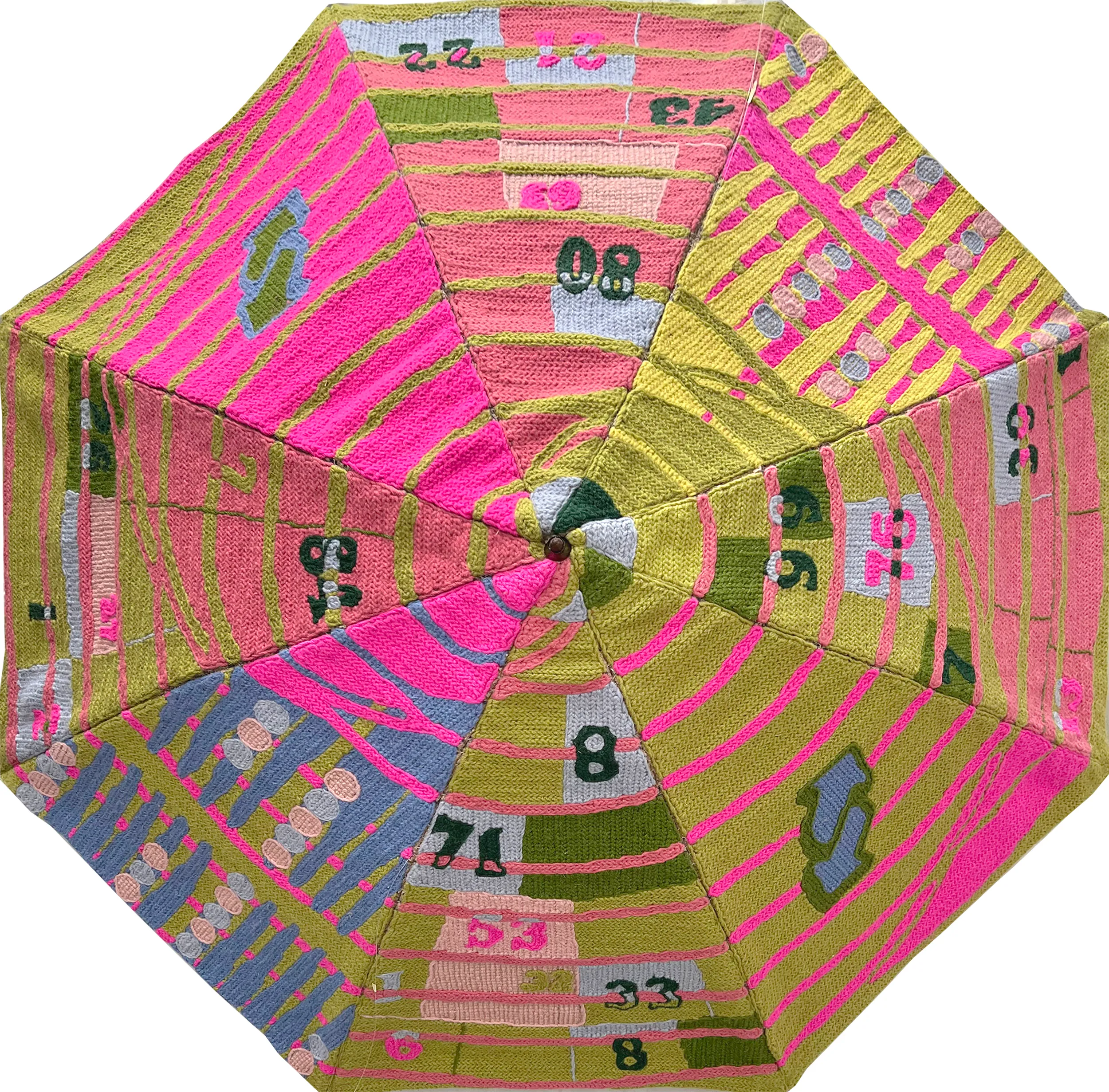 PLAY WITH ME #1 2024 · Arraiolos-stitch tapestry on a reused metal umbrella frame
 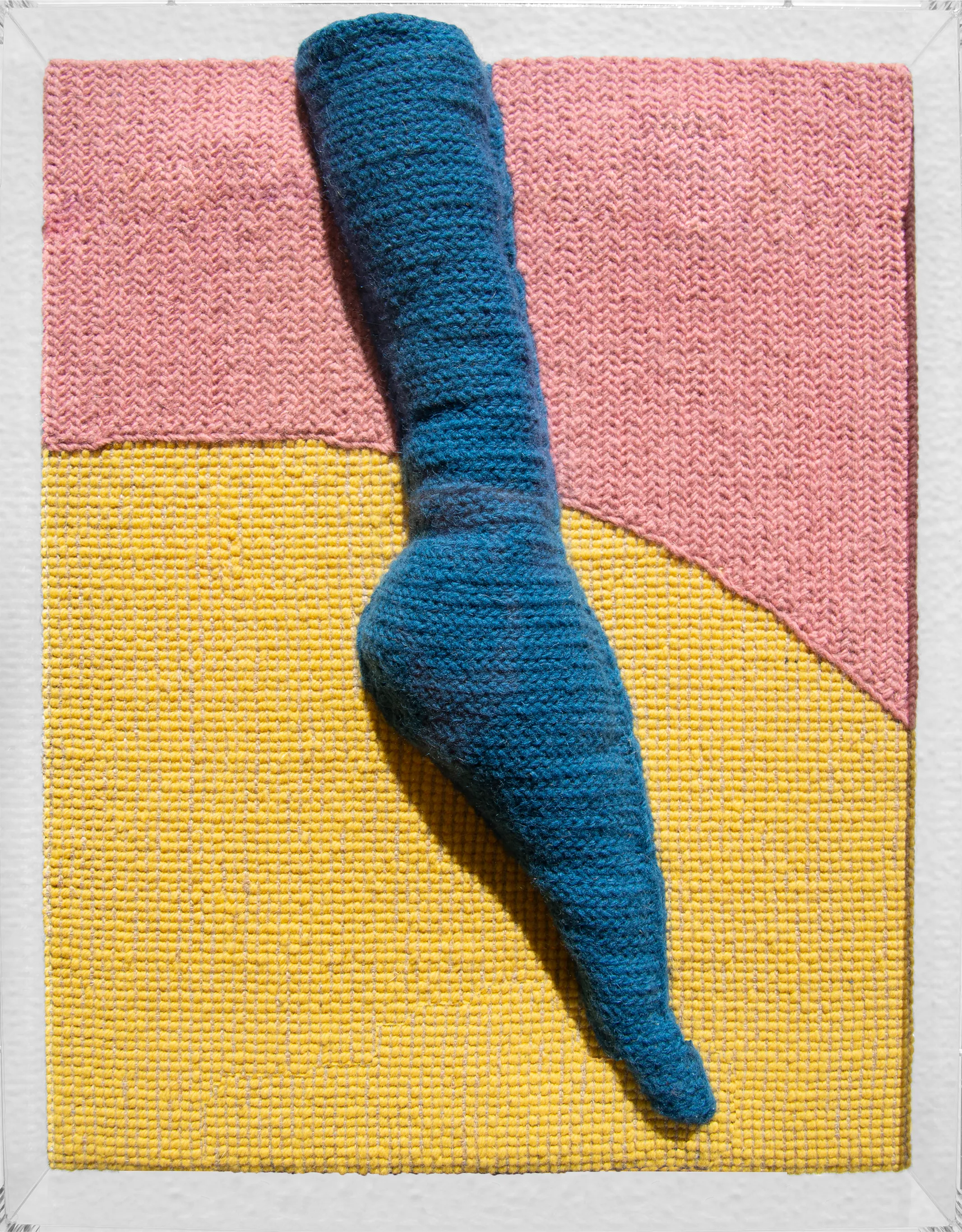 CINERIS 2024 · Arraiolos-stitch tapestry with filling made from remnants of other artworks
 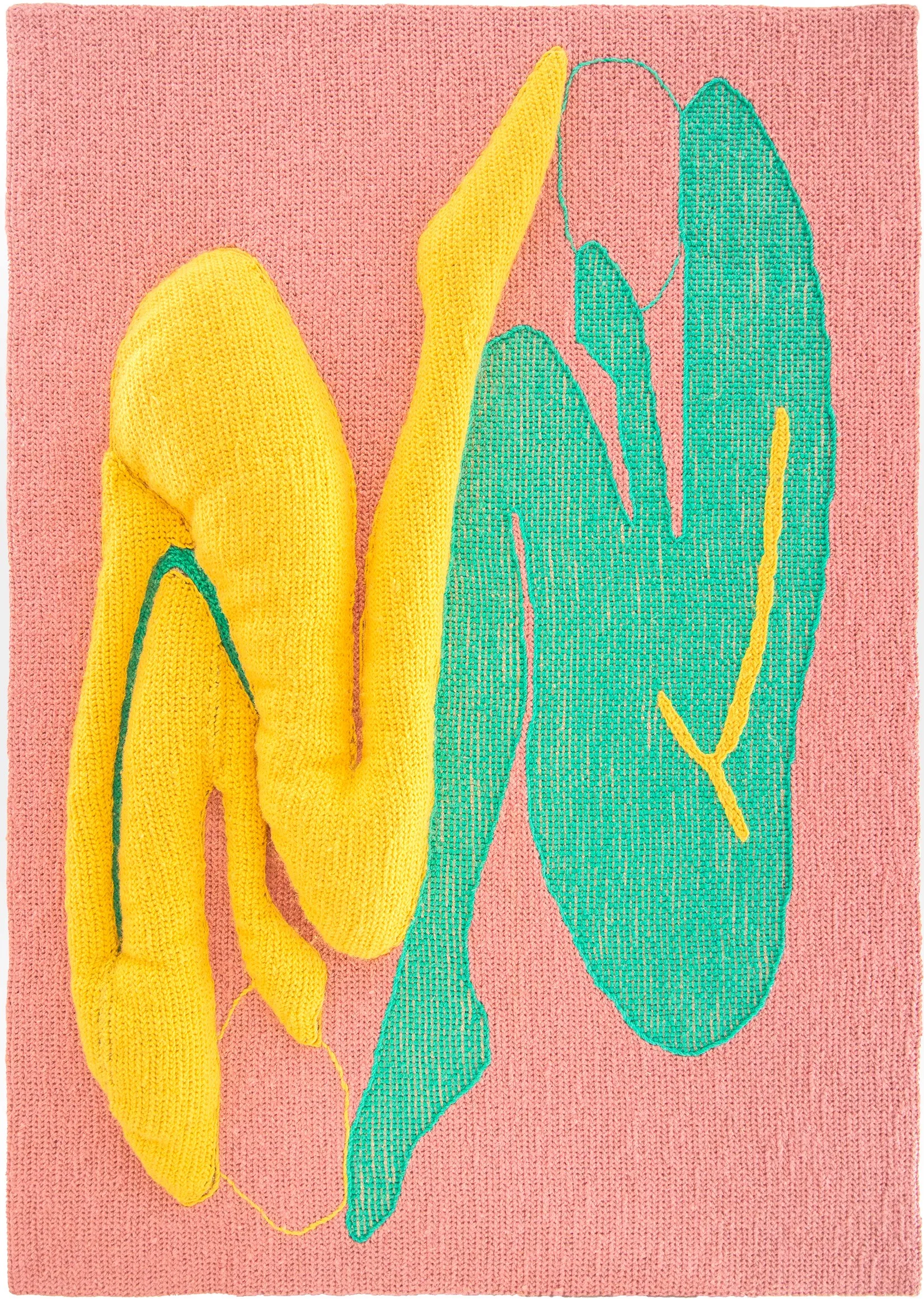 AETHER 2024 · Arraiolos-stitch tapestry with filling made from remnants of other artworks
 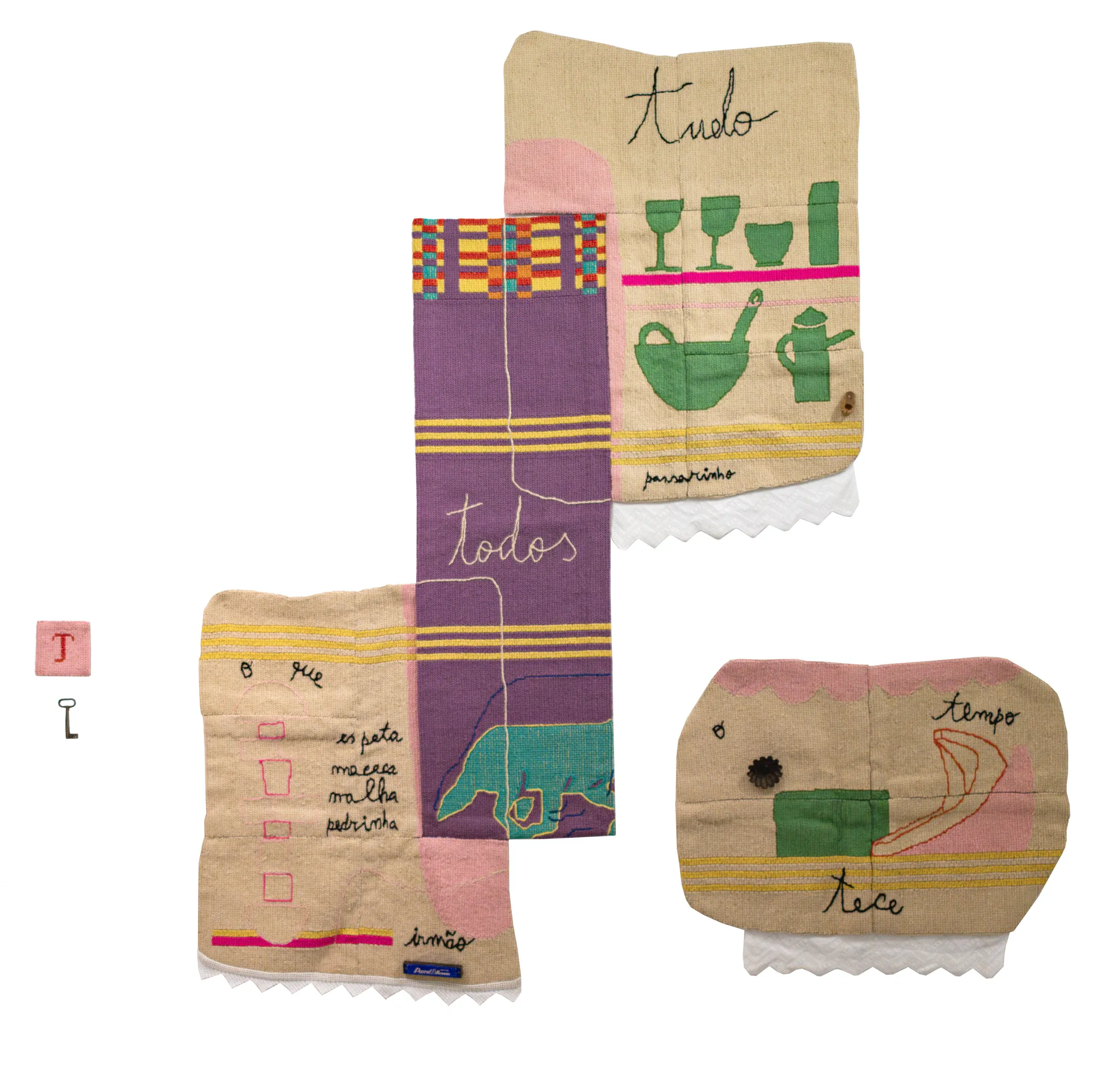 ARTEMIS 2023 · Tapestry in Arraiolos stitch